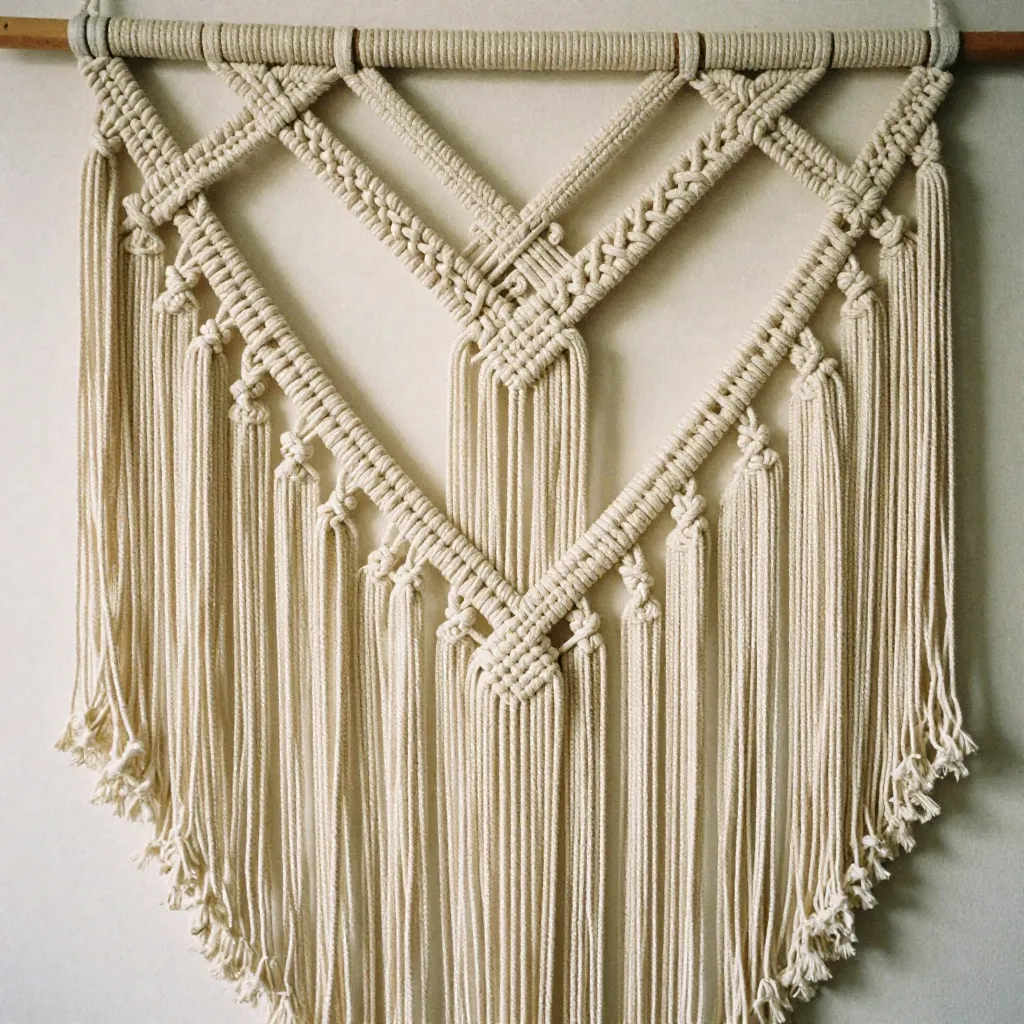
The Knot Algorithm
Interactive Structure Analysis
Each manually sequenced fiber-linkage represents a complex geometric proof. The interactive viewer allows real-time examination of structural integrity, vector mapping, and tension distribution across the entire network.
Rotate the structure to observe how different fiber types affect light transmission, shadow casting, and spatial perception. The system calculates optimal stability parameters automatically.

Structural Philosophy
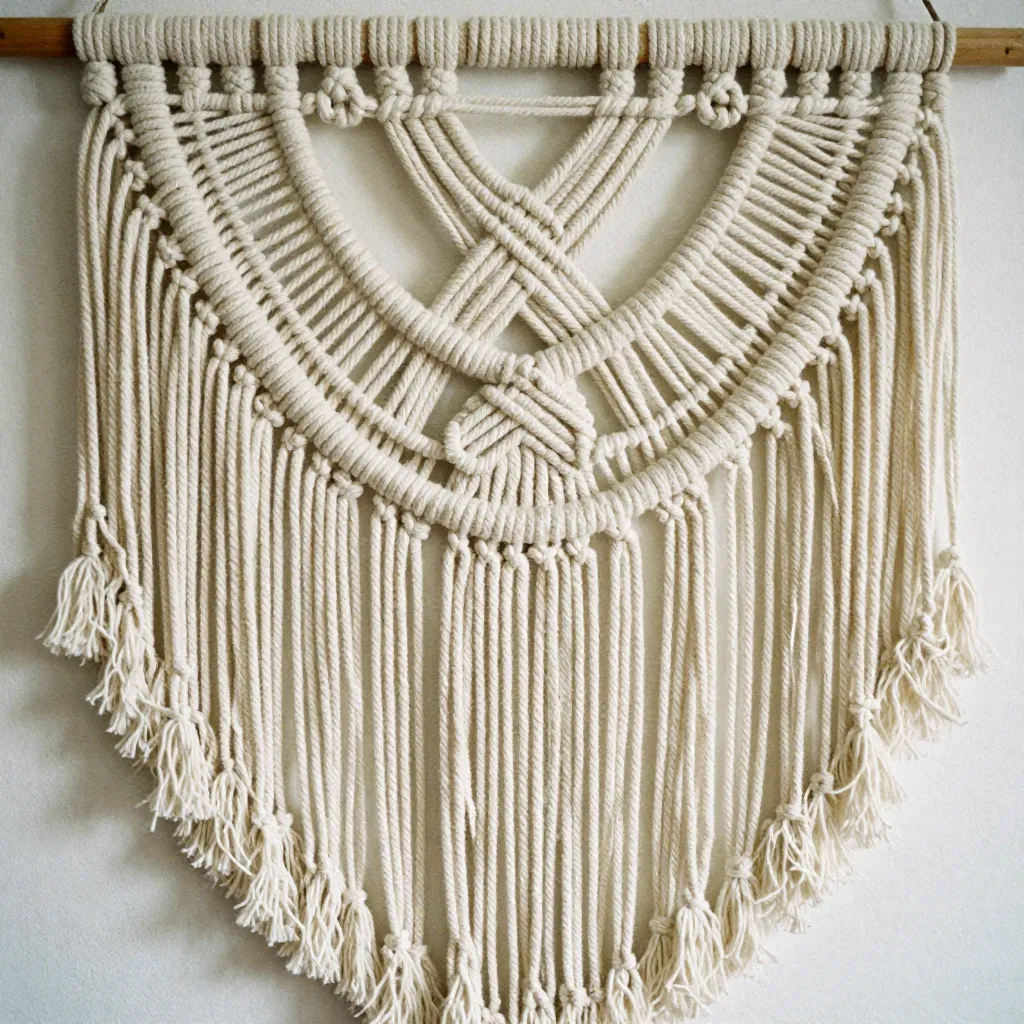
Geometric Precision
Each structure follows mathematical principles of tension distribution and load balancing. The manual sequencing ensures optimal vector alignment across all connection points.

Material Integrity
Fiber selection prioritizes tensile strength, UV resistance, and micro-texture density. Each material undergoes structural analysis before integration into the network.

Spatial Optimization
The structures function as analog sound dampeners while maintaining visual complexity. Large-scale implementations create organic partitions that absorb acoustic energy.
Fiber Network Architecture

Network Topology
The fiber networks utilize reinforced square knot patterns as primary connection nodes. Each node maintains 128 vector connections, ensuring structural redundancy and optimal load distribution.
Network analysis reveals consistent stability metrics across all implementations. The geometric complexity creates visual interest while maintaining functional integrity.
Portfolioping System
Vector Analysis
Each structure includes a complete tension diagram showing force distribution across all connection points. The mapping system identifies optimal anchor points and load-bearing pathways.
Stability Metrics
Real-time monitoring of structural integrity ensures long-term performance. The system tracks micro-movements and adjusts recommendations based on environmental factors.
Load Distribution
Advanced algorithms calculate optimal weight distribution across the entire network. This ensures uniform tension and prevents localized stress points.
Implementation Process
Sequencing Protocol
The manual sequencing process follows a strict protocol ensuring consistent quality and structural integrity. Each fiber-linkage undergoes verification before integration into the larger network.
Quality control measures include tension testing, vector alignment verification, and material compatibility checks. The process maintains high standards while allowing for creative variation within structural parameters.

Spatial Integration

Partition Systems
Large-scale textile structures function as spatial partitions, creating defined zones while maintaining visual connectivity. The organic forms complement modern architectural elements.

Wall Integration
Wall-mounted implementations utilize specialized anchor systems designed for optimal weight distribution. The structures integrate seamlessly with existing architectural features.