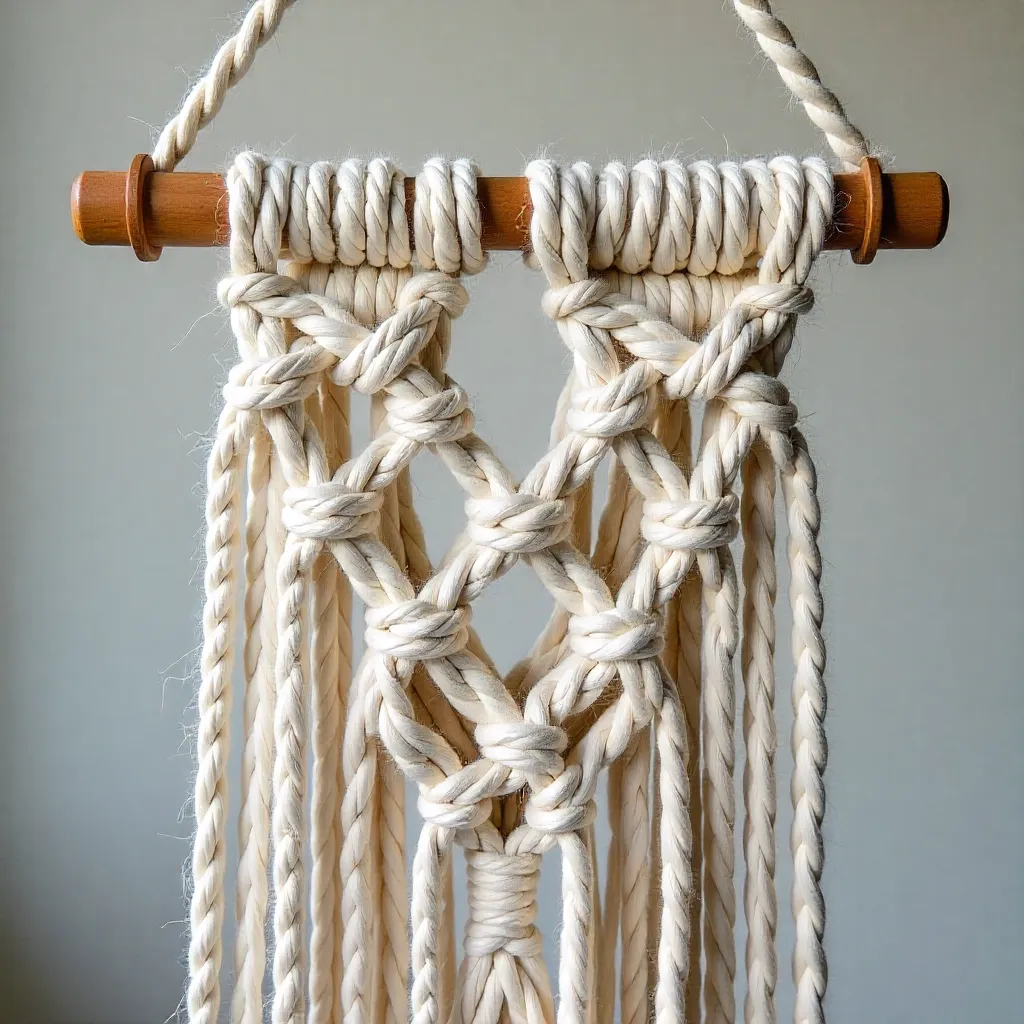
Fiber Specifications
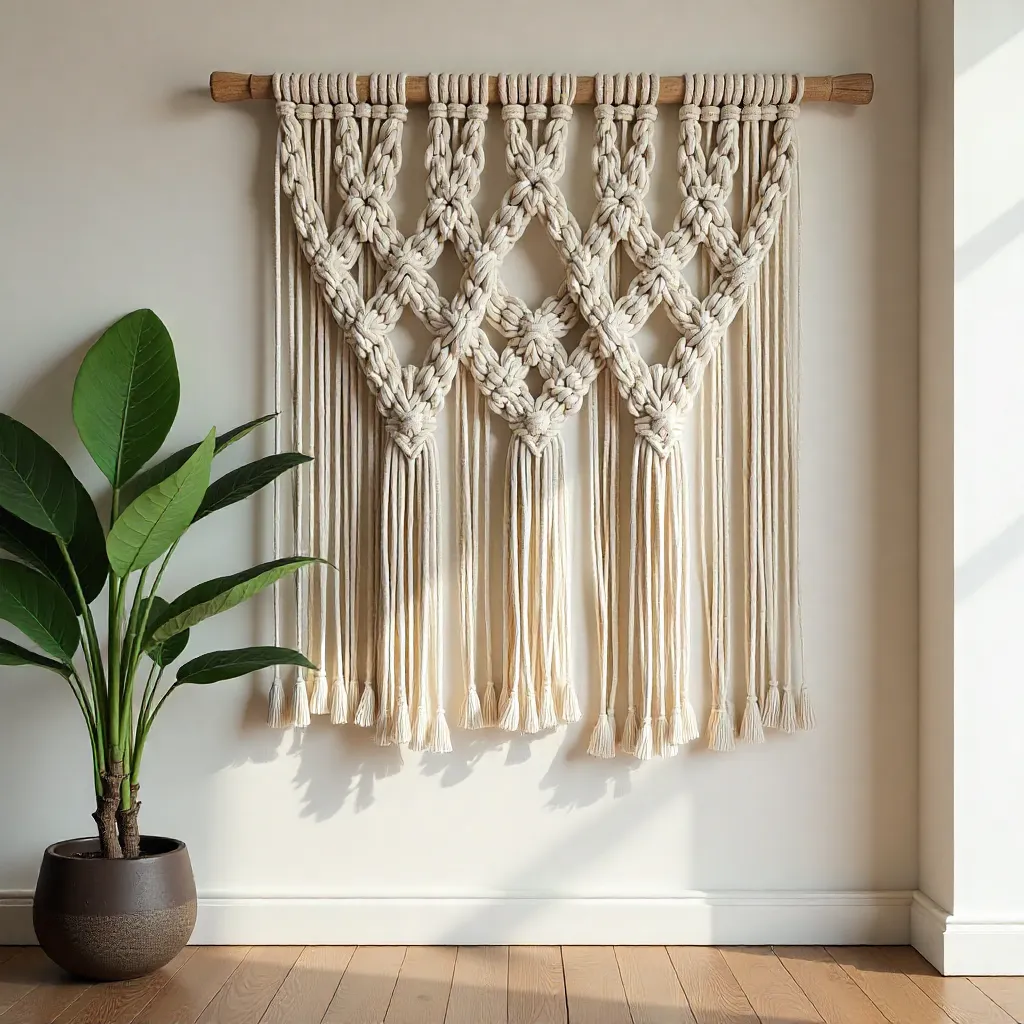
Material Selection Protocol
Each fiber undergoes comprehensive analysis before integration into structural networks. The selection process prioritizes tensile strength, UV resistance, and micro-texture density to ensure optimal performance.
Material compatibility testing ensures that different fiber types work harmoniously within the same structure, maintaining both aesthetic coherence and functional integrity.
Tensile Strength Analysis
Recycled Cotton
Tensile Strength: 450-550 MPa
UV Resistance: Moderate
Micro-Texture Density: High
Recycled cotton fibers provide excellent tactile properties with moderate structural strength. Suitable for interior applications with controlled light exposure.
Hemp Fiber
Tensile Strength: 550-700 MPa
UV Resistance: High
Micro-Texture Density: Medium
Hemp fibers offer superior strength and natural UV resistance. Ideal for structures requiring enhanced durability and outdoor compatibility.
Synthetic Polymers
Tensile Strength: 600-800 MPa
UV Resistance: Very High
Micro-Texture Density: Variable
Synthetic polymer fibers provide maximum structural integrity and UV protection. Available in various textures to match aesthetic requirements.
UV Resistance Metrics
Environmental Durability
UV resistance testing measures material performance under extended light exposure. The metrics help determine appropriate applications for each fiber type.
Materials with higher UV resistance ratings maintain structural integrity and color stability over extended periods, making them suitable for installations with significant natural light exposure.
Regular monitoring and maintenance protocols ensure continued performance regardless of material selection.

Micro-Texture Density
Texture Analysis
Micro-texture density affects both visual appearance and tactile properties. Higher density creates more complex light interaction patterns and enhanced surface detail.
Light Interaction
Texture density influences how materials interact with ambient light, creating varying shadow patterns and visual depth across the structure surface.
Performance Impact
Texture characteristics can affect structural performance by influencing fiber-to-fiber contact points and overall network cohesion.