
Structural Overview
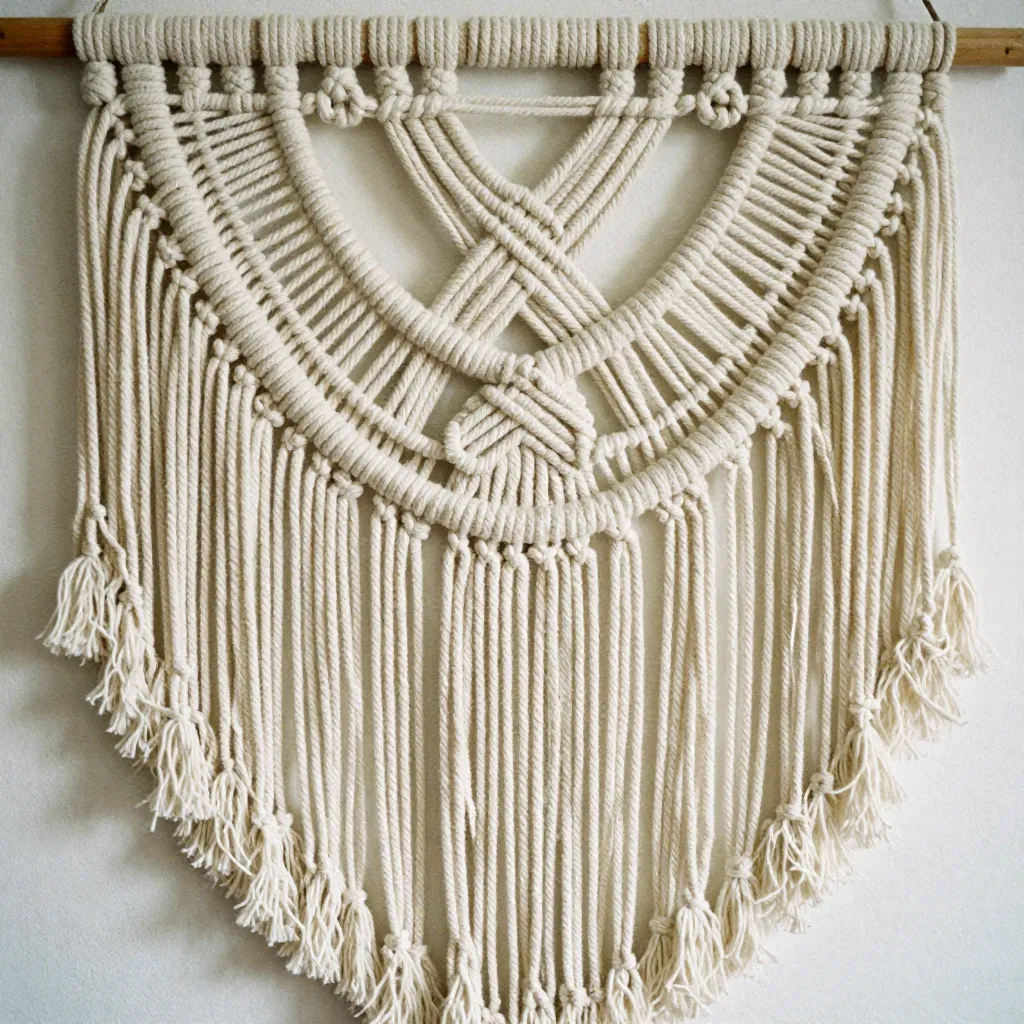
Geometric Proof Documentation
Each piece in the collection is documented as a complex geometric proof. The structural map reveals knot-count metrics, vector distribution, and tension-diagram analysis for every implementation.
The documentation process ensures reproducibility and allows for systematic analysis of structural integrity across different configurations and scales.
Knot-Count Analysis
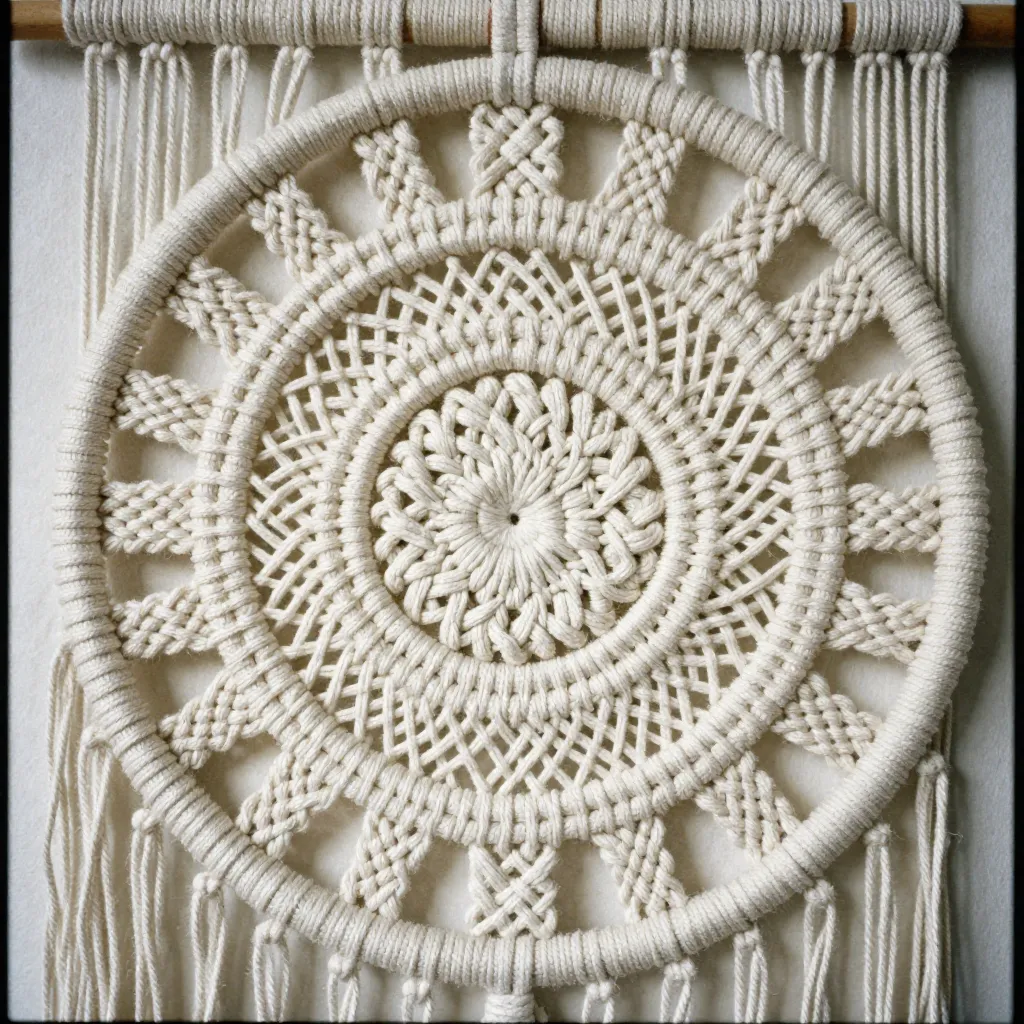
Structure Alpha-128
Knot Count: 342 primary nodes
Vector Connections: 1,024
Stability Rating: Optimal
Circular configuration with reinforced square knot pattern. Tension distribution shows uniform load across all anchor points.
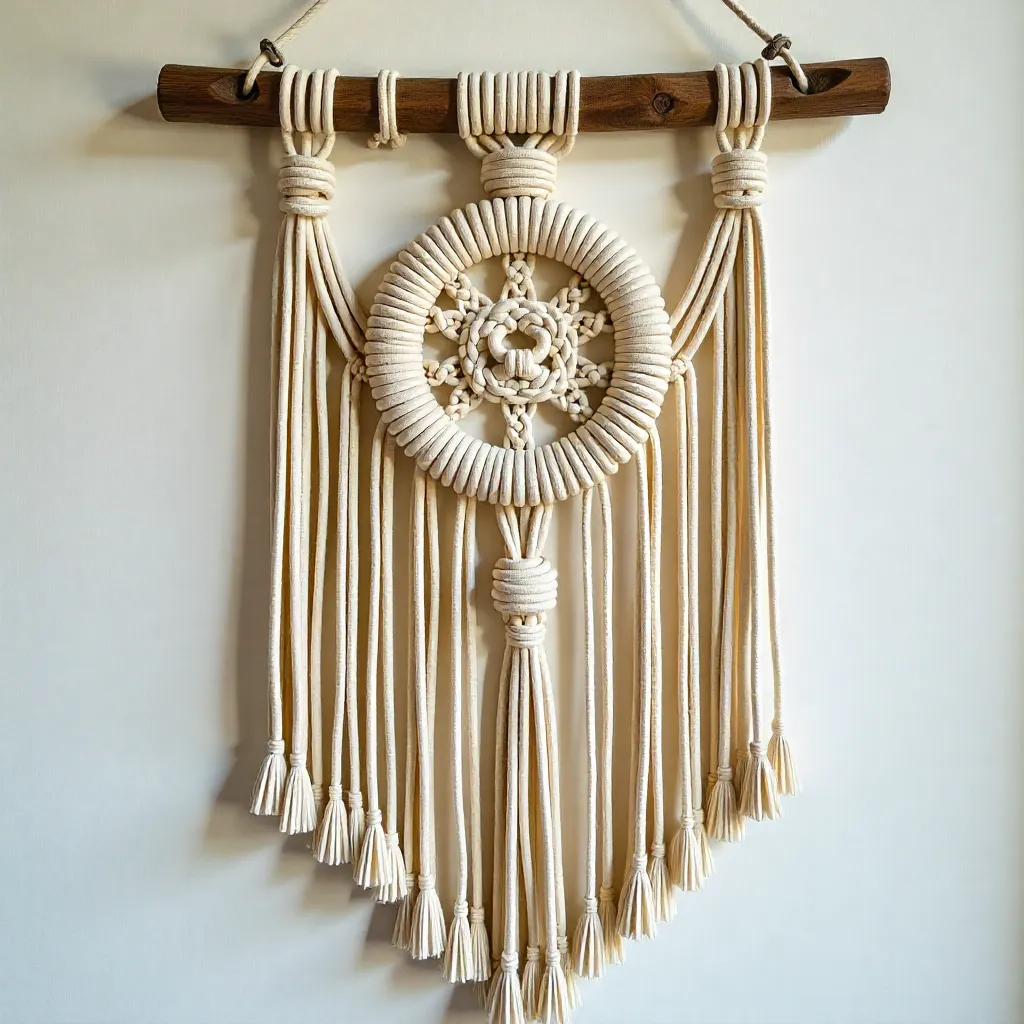
Structure Beta-256
Knot Count: 512 primary nodes
Vector Connections: 2,048
Stability Rating: Optimal
Multi-layer network with interlocking geometric patterns. Advanced tension mapping reveals optimal load distribution pathways.
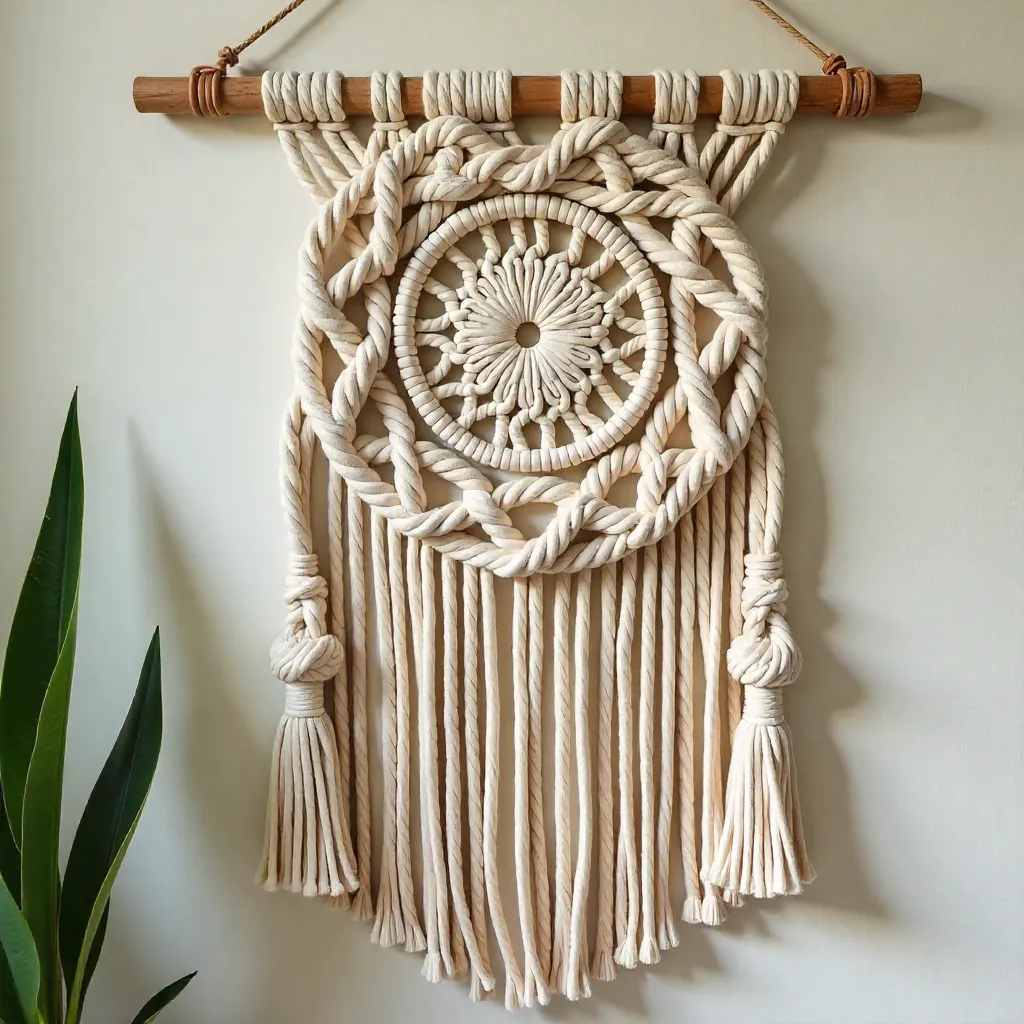
Structure Gamma-64
Knot Count: 128 primary nodes
Vector Connections: 512
Stability Rating: Optimal
Compact configuration designed for smaller spaces. Maintains structural integrity while minimizing material usage.
Tension-Diagram Analysis
Force Distribution Mapping
Each structure includes a complete tension-diagram showing force vectors across all connection points. The mapping system identifies optimal anchor points and load-bearing pathways.
The diagrams reveal how geometric complexity creates visual interest while maintaining functional integrity. Analysis shows consistent stability metrics across all implementations.
Real-time monitoring capabilities allow for ongoing assessment of structural performance under various environmental conditions.
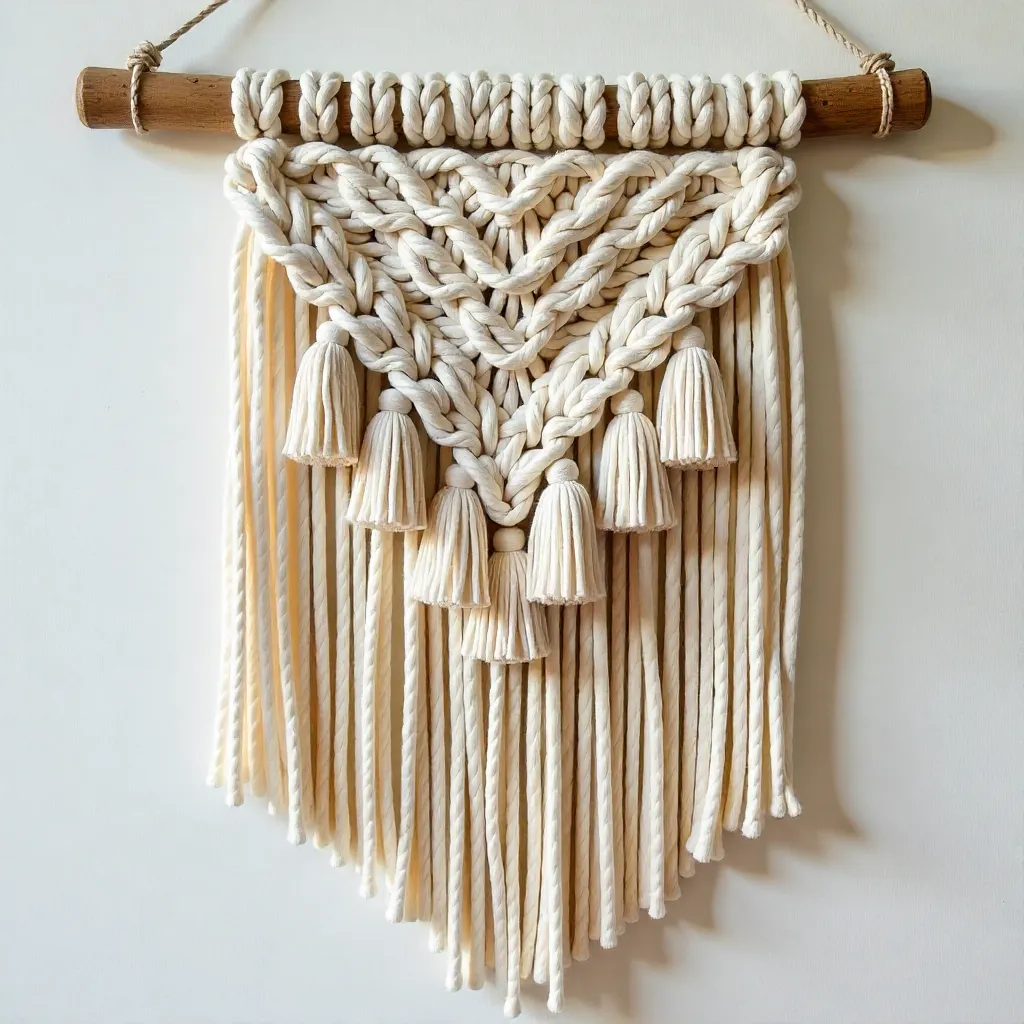
Vector Mapping System
Primary Vectors
Primary vectors connect main structural nodes, forming the core framework of each piece. These connections handle the majority of load distribution.
Secondary Vectors
Secondary vectors provide structural redundancy and enhance visual complexity. They distribute additional load and create geometric patterns.
Tertiary Vectors
Tertiary vectors add fine detail and complete the geometric proof. They contribute to overall stability while maintaining aesthetic balance.